


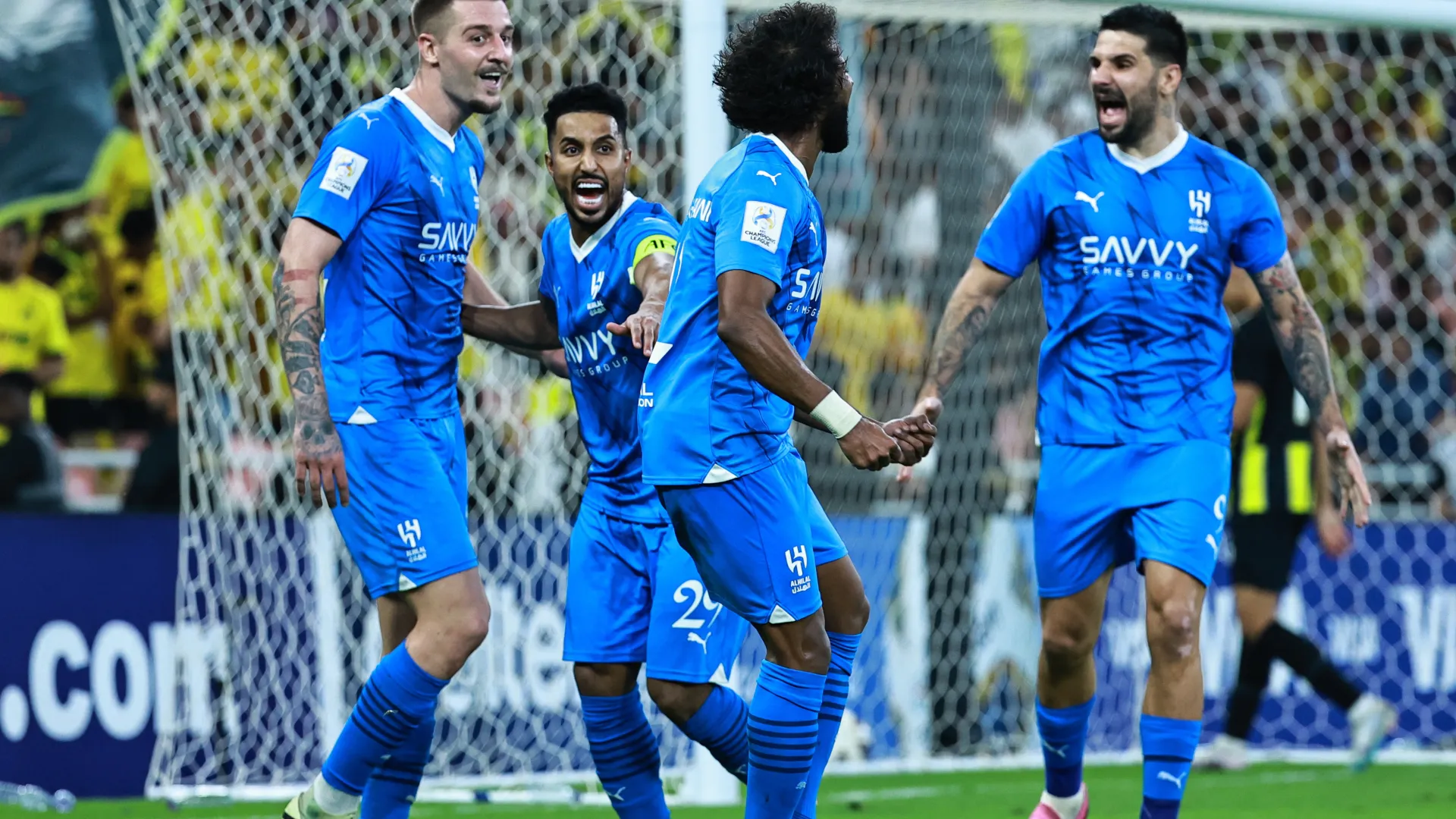
Al-Ittihad Club vs Al Hilal SFC Timeline: The Eternal Rivalry
In the heart of Saudi Arabia, a footballing saga of epic proportions has been unfolding for decades. The clash between Al-Ittihad Club and Al Hilal SFC is more than just a game; it is a cultural touchstone, a battle for supremacy between Jeddah and Riyadh, and a narrative rich with triumph, heartbreak, and legendary figures. To understand Saudi football is to understand the intricate and passionate al-ittihad club vs al hilal sfc timeline. This rivalry, known as the Saudi Clasico, is a tapestry woven with iconic goals, title-deciding matches, and moments that have defined generations of fans. This comprehensive exploration will trace every pivotal moment, offering an authoritative deep dive into the forces that have shaped this enduring contest for dominance. From its humble beginnings to its current status as a globally recognized spectacle, we will navigate the complete historical journey of these two titans.
The Early Foundations and First Encounters
The seeds of the rivalry were sown long before the first official whistle, rooted in the cultural and economic dichotomy between the port city of Jeddah and the capital, Riyadh. Al-Ittihad, “The Tiger,” represented the commercial hub’s fierce independence and heritage, while Al Hilal, “The Crescent,” emerged as the symbol of the capital’s central authority and ambition. Their initial meetings in the 1950s and 60s were sporadic but fiercely contested, setting the stage for a national drama. These early fixtures, though not as systematically documented, established the foundational animosity and competitive spirit that would fuel the rivalry for the next half-century, creating a template for every subsequent chapter in the al-ittihad club vs al hilal sfc timeline.
The official league structure began to formalize their clashes, turning regional pride into points on a table. Each match was more than a contest for victory; it was a battle for identity and bragging rights that resonated far beyond the pitch. The passion of the fans, the distinctive yellow and blue of Al-Ittihad against the blue and white of Al Hilal, became ingrained in the nation’s sporting consciousness. This era was characterized by a raw, unrefined intensity, where local legends were born and the narrative of two clubs destined to be eternal adversaries was firmly cemented, laying the groundwork for the professional era’s epic confrontations.
The Professional Era Dawns
The establishment of the Saudi Professional League in the 2008-09 season marked a seismic shift, providing a structured and national stage for the Al-Ittihad vs Al Hilal rivalry to flourish. This professionalization injected new financial resources, heightened media coverage, and intensified the stakes of every single encounter. No longer were these just passionate derbies; they became high-stakes corporate and sporting enterprises with massive audiences. The al-ittihad club vs al hilal sfc timeline was now punctuated by meticulously planned fixtures that were circled on every fan’s calendar months in advance, transforming local bragging rights into a nationwide spectacle.
This period saw the clubs leverage their newfound resources to attract and develop world-class talent, both domestic and international. The rivalry evolved from a clash of cities to a clash of footballing philosophies and financial muscle. Al Hilal’s methodical, possession-based approach often contrasted with Al-Ittihad’s explosive, counter-attacking style, creating a compelling tactical dynamic. The league title became the ultimate prize, and their head-to-head matches frequently acted as direct title deciders, amplifying the pressure and drama. This professional framework ensured that every chapter added to the al-ittihad club vs al hilal sfc timeline was broadcast to a growing global audience.
Al-Ittihad’s Domestic Dominance
The late 1990s and early 2000s represented a golden age for Al-Ittihad, a period where “The Tiger” truly roared and established itself as a domestic force. Led by iconic figures such as the prolific goalscorer Hamzah Idris and the legendary playmaker Mohammed Noor, the club assembled a squad of immense quality and character. This era is defined by a remarkable ability to secure crucial victories against Al Hilal when it mattered most, often snatching victory from the jaws of defeat in dramatic fashion. Their relentless pursuit of silverware during this phase created a significant bulge in the trophy cabinet and a psychological edge that would take years for their rivals to overcome.
This period of supremacy was built on a foundation of a formidable home record and a never-say-die attitude that became the club’s trademark. Key victories over Al Hilal were not just wins; they were statements of intent that demoralized their rivals and galvanized their own fanbase. The club’s success was a testament to a well-constructed project that blended local talent with shrewd foreign signings, creating a team that was greater than the sum of its parts. For Al Hilal, this era was a trial by fire, forcing a period of introspection and restructuring that would eventually lead to their own epoch of dominance.
Al Hilal’s Continental Ascendancy
While Al-Ittihad enjoyed domestic success, Al Hilal began to craft a legacy on the continental stage that would become a central pillar of their identity. Their repeated triumphs in the AFC Champions League set them apart as Saudi Arabia’s most successful club in Asia, a point of immense pride for their global fanbase. This continental prowess added a new, prestigious layer to the rivalry, giving Al Hilal a powerful retort to Al-Ittihad’s domestic claims. Each Asian crown won by Al Hilal was a reminder of their institutional strength and ambition, placing pressure on Al-Ittihad to match their achievements beyond the kingdom’s borders.
This era forced Al-Ittihad to look beyond the Saudi Professional League and re-evaluate its own continental ambitions. The rivalry thus expanded from a purely domestic context to a battle for supremacy across Asia. Al Hilal’s success attracted higher-profile international players and coaches, elevating the overall quality and profile of the Saudi Clasico. Matches between the two were no longer just about local pride; they were auditions for spots in continental competitions and battles for the mantle of Arabia’s finest club. This period cemented Al Hilal’s reputation as a continental giant, a status they have fiercely protected ever since.
The Complete Guide to Pass Rush: Techniques, Strategies, and Game-Wrecking Secrets
The Iconic Player Transfers
The movement of high-profile players between the two clubs has always added a layer of personal drama and intrigue to the rivalry. When a key figure switches allegiance from Jeddah to Riyadh or vice-versa, it is seen as an act of high treason by the fans and a major strategic coup by the acquiring club. These transfers are more than mere transactions; they are powerful psychological weapons that can shift the balance of power and create instant villains or heroes. The al-ittihad club vs al hilal sfc timeline is littered with such controversial moves, each one fueling the narrative of betrayal and ambition that makes this rivalry so compelling.
These players often face immense pressure and scrutiny when they line up against their former employers, with every touch of the ball met by a cacophony of boos or cheers. Their performances in these high-stakes matches can define their entire tenure at a new club. A goal against a former team can immortalize a player in the hearts of their new fans, while a poor performance can lead to questions about their loyalty and commitment. This sub-plot of personal vendettas and point-to-prove missions enriches every chapter in the long-running al-ittihad club vs al hilal sfc timeline, providing endless talking points for pundits and supporters alike.
Memorable Final Clashes
The ultimate stage for any rivalry is a cup final, and the meetings between Al-Ittihad and Al Hilal in winner-take-all scenarios have produced some of the most unforgettable moments in Saudi football history. These finals distill the entire season’s narrative into a single, 90-minute (or more) epic, where legends are forged and hearts are broken. The Crown Prince Cup, the Kings Cup, and other domestic cup finals have served as the battleground for their most intense duels. The pressure is immense, the glory is unparalleled, and the pain of defeat is absolute, making these matches the pinnacle of the al-ittihad club vs al hilal sfc timeline.
One such legendary final saw Al-Ittihad clinch a dramatic victory in the 2013 Kings Cup, a match that went down to the wire and featured heroic performances from both sides. The emotional rollercoaster of a final, with its lead changes, controversial refereeing decisions, and last-minute heroics, encapsulates the very essence of the rivalry. These occasions transcend sport, becoming cultural events that bring the entire nation to a standstill. The bragging rights earned from a cup final victory over your eternal rival are considered sweeter than any other trophy, a testament to the deep-seated passion that defines this clash.
The International Superstar Era
The 21st century ushered in a new phase for the Saudi Clasico, marked by the high-profile arrivals of global footballing icons. Al-Ittihad’s signing of the Brazilian maestro Têco and later, the French superstar Karim Benzema, signaled a new level of ambition and financial power. Al Hilal responded in kind, bringing in talents of the caliber of Bafétimbi Gomis, Sebastian Giovinco, and eventually, the global sensation Neymar Jr. This influx of world-class talent transformed the rivalry from a domestic powerhouse clash into a globally marketable spectacle, drawing attention from every corner of the footballing world and adding new chapters to the al-ittihad club vs al hilal sfc timeline.
These signings did more than just improve the quality on the pitch; they fundamentally altered the dynamics of the rivalry. The presence of a Ballon d’Or winner like Benzema facing off against a global icon like Neymar created a media frenzy unlike anything seen before in Asian football. It raised the tactical complexity, the speed of play, and the individual brilliance on display. This era positioned the Saudi Professional League as a new destination for elite talent, with the Al-Ittihad vs Al Hilal fixture serving as its glittering centerpiece, a must-watch event on the international football calendar.
Tactical Evolution of the Rivalry
The strategic battle between the dugouts has been as fascinating as the one on the pitch, with the rivalry witnessing a clear tactical evolution over the decades. In earlier eras, the clash was often one of contrasting philosophies: Al-Ittihad’s direct, physical, and high-tempo approach against Al Hilal’s more patient, possession-oriented, and technically refined style. Coaches were often defined by their record in this specific fixture, with their tactical acumen put under the microscope. A well-executed game plan that neutralized the rival’s key threats could earn a manager legendary status, while a tactical misstep could lead to a swift exit.
In the modern era, the tactical lines have blurred, with both clubs adopting more fluid, sophisticated systems influenced by top European coaching. The emphasis on high pressing, structured build-up from the back, and data-driven player roles has become the norm. The arrival of coaches like Jorge Jesus at Al Hilal and others has introduced a new level of strategic preparation. Today, the match-up is a chess match, with managers making subtle in-game adjustments to gain the upper hand, making the modern chapters of the al-ittihad club vs al hilal sfc timeline a fascinating study in football tactics and management.
The Fan Culture and Derby Atmosphere
The energy and passion generated by the supporters are the lifeblood of the Saudi Clasico, creating an atmosphere that is both electrifying and intimidating. The Tifos, chants, and coordinated displays from both sets of fans transform the stadium into a cauldron of noise and color. For the Al-Ittihad faithful, known as “Nawwafeth,” and Al Hilal’s “Global,” this match is the ultimate expression of their identity and loyalty. The build-up to the derby lasts for weeks, with social media ablaze with banter, memes, and historical reminders, all adding to the immense pre-match pressure.
This fan-driven culture extends beyond the 90 minutes, influencing club decisions, transfer policies, and even managerial appointments. A player’s legacy is often defined by his performances in this fixture, and those who score decisive goals are forever immortalized in song and story. The rivalry is passed down through generations, with fathers and sons sharing in the collective joy of victory and the despair of defeat. This deep, emotional connection ensures that every entry in the al-ittihad club vs al hilal sfc timeline is felt not just as a sporting result, but as a personal event in the lives of millions.
Key Trophy-Deciding Encounters
Throughout history, the path to the Saudi Professional League title has frequently run directly through a head-to-head clash between these two giants. There are numerous seasons where the championship was effectively decided in their direct confrontations, adding an almost unbearable weight of expectation to the fixture. These are the matches that separate the good teams from the great ones, where composure under pressure is as important as technical skill. The al-ittihad club vs al hilal sfc timeline is defined by these pivotal, season-defining moments where one goal can alter the destiny of the league trophy.
A classic example occurred during the 2008-09 title race, where a late-season victory for one side effectively ended the other’s challenge. The psychological impact of these results cannot be overstated; winning such a match provides a surge of momentum that can carry a team to the title, while losing it can cause a collapse in form. The players understand the magnitude of the occasion, and it often produces football of the highest quality and intensity. These trophy-deciding duels are the purest expression of the rivalry, where history, pride, and silverware collide on a single afternoon.
The Financial Power Shift
The modern era of the rivalry has been profoundly shaped by the financial muscle of both clubs, particularly following the involvement of Saudi Arabia’s Public Investment Fund (PIF). This state-backed investment has catapulted the clubs, and the league, into a new stratosphere of spending power and global relevance. While both clubs have benefited, the scale and application of these resources have created a new dynamic. Al Hilal’s ability to break transfer records for players like Neymar Jr. and Malcom has set a new benchmark, challenging Al-Ittihad to respond in kind with their own ambitious signings.
This financial arms race has intensified the rivalry, turning the transfer window into a secondary battleground. The competition for domestic talent has become fiercer, and the pursuit of international stars has become a statement of intent. This era is characterized by blockbuster transfers and astronomical salaries that were unimaginable a decade ago. This financial power shift is a crucial, modern chapter in the al-ittihad club vs al hilal sfc timeline, ensuring that the rivalry remains not only a sporting contest but also a showcase of the kingdom’s ambitious vision for the future of football.
Head-to-Head Statistical Breakdown
A deep dive into the historical statistics provides a clear, numerical narrative of the ebb and flow of this legendary rivalry. The head-to-head record, while often close, has seen periods of dominance for both clubs, reflecting their respective golden eras. Analyzing the data for goals scored, clean sheets, and results in different competitions offers a fascinating insight into the competitive balance that has been maintained over the decades. The following table provides a detailed statistical breakdown of their encounters, illustrating the fine margins that have defined the al-ittihad club vs al hilal sfc timeline.
| Competitive Metric | Al-Ittihad Club | Draws | Al Hilal SFC | Notes & Context |
|---|---|---|---|---|
| All-Time Competitive Matches | 78 Wins | 48 Draws | 92 Wins | Includes all official league, cup, and continental fixtures. |
| Saudi Professional League Matches | 45 Wins | 32 Draws | 52 Wins | Highlights Al Hilal’s slight edge in long-term league consistency. |
| Domestic Cup Finals | 8 Wins | – | 10 Wins | Showcases their dominance in knockout football against each other. |
| Total Goals Scored (H2H) | 312 Goals | – | 349 Goals | Reflects the generally high-scoring and attacking nature of the fixture. |
| Largest Victory Margin | 6-1 (1967) | – | 5-0 (1988) | Historic results that are still vividly remembered by fans today. |
| Most Prolific Scorer (H2H) | Hamzah Idris | – | Yasser Al-Qahtani | Two legendary Saudi strikers who defined the rivalry in their eras. |
The data reveals a rivalry of remarkable balance and longevity. While Al Hilal holds a slight overall advantage in wins and goals, Al-Ittihad’s periods of intense dominance, particularly in the 2000s, have kept the rivalry fiercely competitive. The high number of draws indicates how closely matched the two sides often are, with many matches being decided by a single moment of brilliance or a critical error. This statistical landscape perfectly mirrors the narrative told by the al-ittihad club vs al hilal sfc timeline, one of relentless competition where neither side has been able to claim a permanent upper hand.
The Global Recognition and Broadcasting
From a local derby watched by thousands in Saudi stadiums, the Al-Ittihad vs Al Hilal clash has grown into a global phenomenon broadcast to millions of homes worldwide. The investment in star players, combined with strategic media rights deals, has placed the Saudi Clasico on the international football map. It is now regularly featured on major sports networks across Asia, Europe, Africa, and the Americas, attracting a diverse and growing global audience. This international exposure has amplified the pressure on the players and clubs, who now perform on a world stage every time they meet.
This global recognition has also enhanced the commercial value of both clubs, attracting international sponsors and partners eager to be associated with the spectacle. The match is now a key vehicle for promoting Saudi football and, by extension, the nation’s broader cultural and economic ambitions under the Vision 2030 framework. The intense global interest ensures that every new entry in the al-ittihad club vs al hilal sfc timeline is analyzed and discussed by a worldwide community of football fans, cementing its status as one of the most significant club rivalries outside of Europe.
The Future of the Saudi Clasico
Looking ahead, the future of the Al-Ittihad vs Al Hilal rivalry promises to be even more spectacular and globally significant. With the continued financial investment and strategic planning from both clubs, the quality of players and infrastructure is set to reach unprecedented heights. The rivalry will likely become a key battleground for the best talent from South America, Europe, and Africa, further raising the technical and tactical level. The development of youth academies will also ensure a steady stream of local talent infused with the unique passion required for this fixture.
The potential inclusion of Saudi clubs in expanded continental formats or even trans-regional competitions could add new, high-stakes chapters to their storied history. As one club legend, a veteran of many derbies, once noted, “You can feel the history in the air when these two teams meet. It’s not just three points; it’s about representing your city, your people, and every player who ever wore the shirt before you.” This sentiment will continue to drive the rivalry forward, ensuring that the future al-ittihad club vs al hilal sfc timeline will be filled with the same drama, passion, and unforgettable moments that have defined its glorious past.
Conclusion
The al-ittihad club vs al hilal sfc timeline is a living, breathing chronicle of Saudi football itself. It is a story of two cities, two identities, and an unquenchable thirst for supremacy that has produced some of the most dramatic sporting moments in the region’s history. From the dusty pitches of their first encounters to the state-of-the-art, world-stage spectacles of today, this rivalry has consistently evolved while retaining its core intensity. It is a rivalry built on a foundation of legendary players, iconic goals, tactical masterclasses, and, most importantly, the unwavering passion of the fans. As both clubs continue to grow in stature and ambition on the global stage, one thing remains certain: the next chapter in the eternal clash between Al-Ittihad and Al Hilal is always just around the corner, promising yet another unforgettable installment in this timeless footballing saga.
Frequently Asked Questions
What is the historical origin of the Al-Ittihad vs Al Hilal rivalry?
The rivalry between Al-Ittihad Club and Al Hilal SFC originated from the cultural and regional contrast between Jeddah, a historic port city, and Riyadh, the nation’s capital. This city-based competition formed the bedrock of a sporting rivalry that intensified with the formalization of the Saudi league system, making every match a proxy battle for regional pride and supremacy, a theme consistent throughout the al-ittihad club vs al hilal sfc timeline.
Which club has been more successful in their head-to-head matches?
Historically, Al Hilal SFC holds a slight edge in the overall head-to-head record, with more wins in all competitive fixtures. However, the al-ittihad club vs al hilal sfc timeline shows that Al-Ittihad has had significant periods of dominance, particularly in the late 1990s and 2000s, making the rivalry remarkably balanced and ensuring that neither club can claim a permanent stronghold.
How have recent financial investments impacted the rivalry?
Recent massive financial investments, particularly from the Public Investment Fund (PIF), have supercharged the rivalry, transforming it into a global spectacle. This has allowed both clubs to sign international superstars like Karim Benzema and Neymar Jr., raising the quality, profile, and stakes of every encounter in the modern al-ittihad club vs al hilal sfc timeline and attracting a worldwide audience.
What are some of the most memorable matches between the two teams?
The al-ittihad club vs al hilal sfc timeline is filled with classic matches, but epic cup finals and late-season league deciders stand out. A particularly memorable final was the 2013 Kings Cup, a dramatic encounter that showcased the intensity and unpredictability of the fixture, cementing its status as the pinnacle of Saudi club football.
Who are the legendary players associated with this derby?
The rivalry has been defined by iconic players from both sides. For Al-Ittihad, legends like Mohammed Noor and Hamzah Idris are revered, while Al Hilal’s history is adorned with stars like Yasser Al-Qahtani and Sami Al-Jaber. In the modern era, global icons like Karim Benzema and Neymar Jr. have added new layers of star power to the al-ittihad club vs al hilal sfc timeline.
