


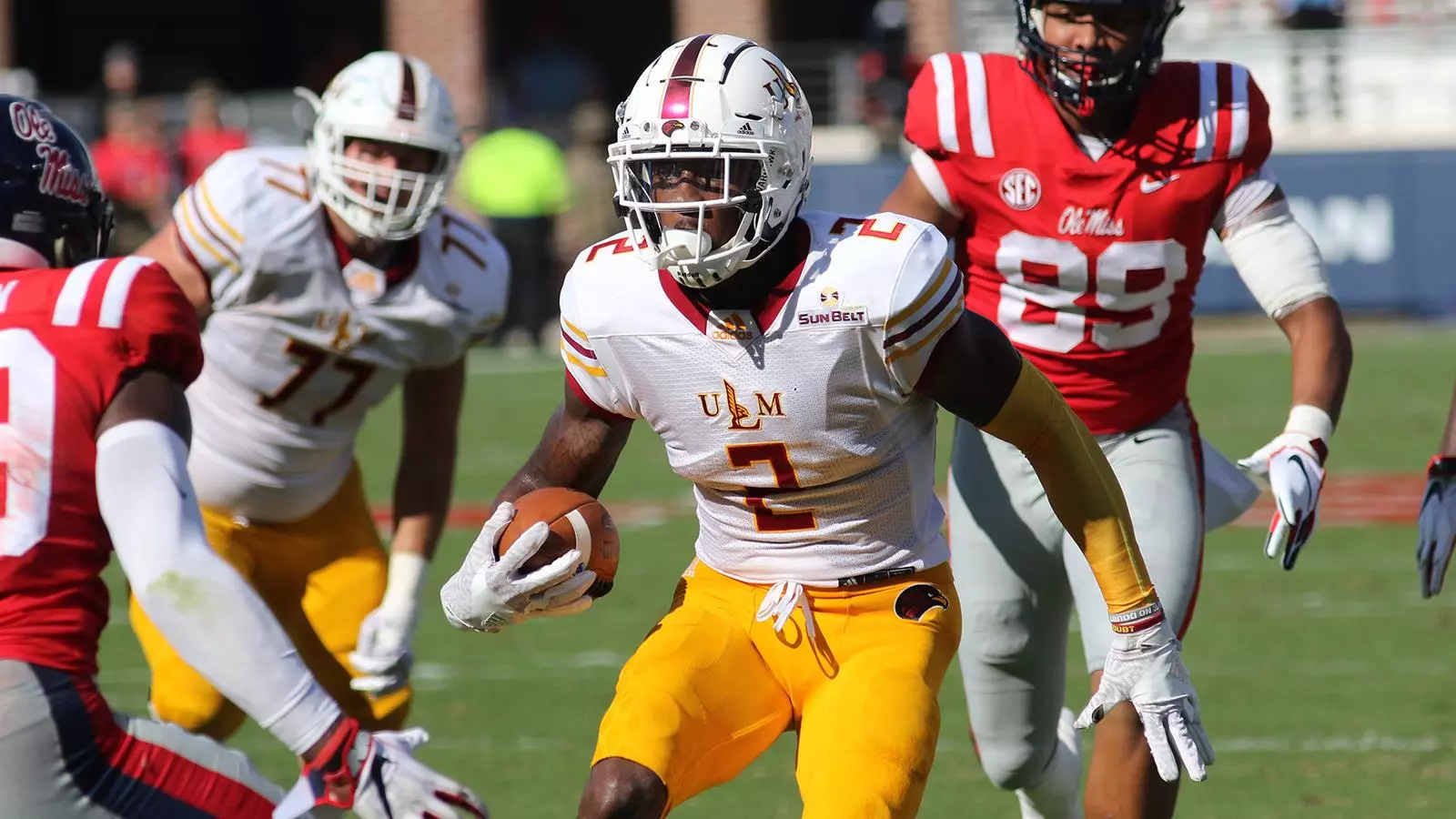
In the sprawling landscape of college football, where blue-blood programs like Alabama and Ohio State command the national spotlight, there exists a different tier of rivalry. These are the battles fought not for playoff berths, but for pride, for regional bragging rights, and for the sheer, unadulterated joy of beating your neighbor. In the heart of the Deep South, along the corridor of Interstate 20 that connects two passionate fanbases, one such rivalry burns with a distinct and fervent intensity: Troy vs LA-Monroe. This isn’t just another game on the schedule. For the Trojans of Troy University and the Warhawks of the University of Louisiana at Monroe, this annual clash is a measuring stick, a season-definer, and a testament to the relentless spirit of Group of Five football. The stakes are always high, the emotions are always raw, and the games are almost always unforgettable, creating a tapestry of dramatic moments that have come to define Sun Belt Conference lore.
To the casual observer, it might look like just another mid-major contest. But to those who live and breathe it, the Troy vs LA-Monroe matchup is so much more. It’s a rivalry born from geographical proximity, amplified by conference alignment, and fueled by a history of nail-biting finishes and stunning upsets. There are no divided households on a massive scale, but there is a deep-seated desire for supremacy in a region where football is king. When the Trojans and Warhawks take the field, it’s more than just Xs and Os; it’s about representing a community, a university, and a way of life. This is the story of that rivalry—a story of resilience, thrilling victories, heartbreaking defeats, and the unwavering belief that on any given Saturday, anything can happen when these two teams collide.
The Roots of the Rivalry: How Troy and LA-Monroe Became Foes
Every great rivalry needs a catalyst, a foundational reason for the animosity to grow. For Troy and LA-Monroe, the roots are deeply embedded in both geography and conference realignment. The two universities are separated by just over 300 miles, a straightforward drive down I-20 through the pine forests of Alabama and Louisiana. This proximity naturally creates a sense of competition, not just in athletics, but in recruiting, academics, and regional prestige. For decades, both programs navigated the turbulent waters of lower-division football, building their identities independently before fate, and the evolving landscape of the NCAA, brought them together on a regular basis.
The rivalry truly ignited when both schools found a home in the Sun Belt Conference. Troy joined the league in 2004, solidifying its move to the Football Bowl Subdivision (FBS). LA-Monroe, which had been a member since the conference began sponsoring football in 2001, now had a consistent, regional opponent. The annual matchup quickly became a circled date on both calendars. It wasn’t a rivalry built on a single, infamous event, but rather one that grew organically through yearly competition. The games were often close, the playing styles contrasted, and the fanbases developed a healthy mutual respect tinged with a burning desire to come out on top. This consistent scheduling, mandated by their shared conference home, provided the fertile ground needed for a genuine, modern college football rivalry to flourish.
The cultural contexts of the two programs also add a fascinating layer. Troy, under the legendary Larry Blakeney, built a reputation as a “Giant Killer,” famously upsetting ranked teams like Missouri and Oklahoma State. They cultivated an identity of a tough, blue-collar team that was never intimidated. LA-Monroe, meanwhile, carved out its own place in history with the famous 2007 shocker over Alabama in Nick Saban’s first year. This “giant-killer” mentality is a thread that connects both programs, creating a shared underdog narrative that makes their head-to-head battles even more compelling. When two teams that are accustomed to punching above their weight class face each other, there are no psychological advantages; only the stark reality of the scoreboard.
A Tale of Two Programs: The Identity of the Trojans and the Warhawks
Understanding the Troy vs LA-Monroe rivalry requires a deeper look into the distinct identities of the two football programs. While they share a conference and a region, their paths, traditions, and fan cultures have unique flavors that color every matchup. The Troy Trojans, hailing from Troy, Alabama, have established themselves as a powerhouse within the Sun Belt Conference. Their identity is one of sustained success and championship pedigree. Under Coach Blakeney, the program experienced its golden era, and that expectation of winning has been ingrained in the culture. The move to the FBS was a bold one, and the Trojans have successfully cemented their status as a team to be reckoned with year-in and year-out.
The Trojan fanbase is known for its passion and loyalty, packing Veterans Memorial Stadium, known locally as “The Vet,” creating one of the more intimidating environments in the Group of Five. The program has produced numerous NFL talents and has consistently been in the mix for conference titles, especially in the latter half of the 2010s and into the 2020s under coaches like Neal Brown and Jon Sumrall. This history of success creates a certain pressure and expectation. For Troy, beating LA-Monroe is often seen as a necessity on the path to a championship, a game they are expected to win.
Conversely, the LA-Monroe Warhawks, from Monroe, Louisiana, embody a different kind of spirit—one of resilience and the occasional, earth-shattering upset. Their history has been more of a rollercoaster, with periods of struggle punctuated by moments of pure brilliance, like the aforementioned 2007 victory over Alabama. This has forged a fanbase that is fiercely loyal and eternally hopeful. They play their home games at Malone Stadium, a venue that has witnessed its share of magic over the years. The Warhawks’ identity is not always defined by conference championships, but by their ability to compete with and sometimes conquer the giants of the sport.
This underdog mentality makes the Troy vs LA-Monroe game particularly dangerous for the Trojans. For ULM, a victory over Troy is a signature win, a chance to play spoiler and claim a huge dose of in-conference pride. They often play with a “nothing to lose” attitude that can be incredibly liberating and potent. This clash of identities—Troy’s championship aspirations versus ULM’s spoiler role—creates a perfect storm of competitive drama every time they meet. It’s a classic matchup of the established power versus the passionate challenger, a dynamic that rarely fails to deliver compelling theater.
Memorable Clashes: Games That Defined the Rivalry
The history of Troy vs LA-Monroe is not just a series of results; it’s a collection of stories, of individual moments of heartbreak and ecstasy that have been seared into the memories of both fanbases. These are the games that players talk about for years and that fans replay in their minds. One such epic encounter occurred in 2015. The game was a back-and-forth offensive shootout, a classic Sun Belt slugfest where defense seemed optional. In the final moments, with the game on the line, Troy had a chance to tie or win, but a critical interception in the end zone sealed a 51-41 victory for the Warhawks. It was a game that featured over 1,000 yards of total offense and exemplified the “any given Saturday” nature of this rivalry.
Another unforgettable chapter was written in 2017. Troy, in the midst of a stellar season, was rolling and heavily favored against a struggling ULM team. However, the Warhawks, led by a gritty performance, refused to follow the script. They harassed Troy’s quarterback all day and made just enough plays on offense to pull off a stunning 35-27 upset. This game served as a stark reminder that in a rivalry, records can be thrown out the window. The sheer emotion on the ULM sideline and the shock in the Troy section of the stadium demonstrated the true weight of this matchup. It wasn’t just a loss for Troy; it was a devastating blow to their season, delivered by their most familiar foe.
More recently, the 2022 matchup provided yet another dramatic finish. In a low-scoring, defensive battle, the game came down to the wire. Troy, en route to a Sun Belt championship, found itself in a dogfight. The Trojans ultimately prevailed, but not without a final, heart-stopping defensive stand that prevented ULM from mounting a game-winning drive. These types of games—the shootouts, the upsets, the defensive grinds—show the many facets of the Troy vs LA-Monroe rivalry. It proves that no matter the state of the two programs, their meetings are consistently competitive, dramatic, and meaningful.
“In rivalry games, you can throw the record books out. It doesn’t matter what you’ve done up to that point. It’s about who wants it more on that particular day.” – A common sentiment from coaches in the Troy vs LA-Monroe series.
Key Players and Coaching Legends: The Faces of the Feud
Behind every great team and every memorable game in the Troy vs LA-Monroe saga are the players and coaches who left their mark. For the Troy Trojans, the list is long and distinguished. The legendary Larry Blakeney is the patriarch of modern Troy football, the coach who guided them into the FBS and built the “Giant Killer” reputation. His leadership and offensive philosophy set the standard for the program. On the field, players like quarterback Levi Brown, who rewrote the Troy record books, and defensive end DeMarcus Ware, a transcendent talent who became a NFL superstar, are forever enshrined in Trojan lore for their contributions during this rivalry era.
More recently, coaches like Neal Brown and Jon Sumrall have continued the tradition of excellence, with Sumrall leading Troy to back-to-back Sun Belt titles. Players from these eras, such as dynamic running back Kimani Vidal and defensive stalwart Javon Solomon, have made their own impactful plays in the games against ULM. These individuals understand the importance of the rivalry from their first day on campus and are taught that a loss to the Warhawks is simply unacceptable in the eyes of the fanbase.
On the LA-Monroe side, the most iconic figure is undoubtedly head coach Todd Berry, who was at the helm for the program’s most famous victory over Alabama and who built competitive teams that often gave Troy fits. Quarterback Kolton Browning became a legend in Monroe for his heroics, including his performances against the Trojans where his dual-threat ability was a constant headache. His poise and leadership embodied the fighting spirit of the Warhawks. In more recent years, players like wide receiver Zach Jackson and quarterback Caleb Evans have had standout games in the rivalry, etching their names into ULM history with clutch touchdowns and game-winning drives against their interstate foes.
The Punt That Wasn’t: How a Single Ohio State Fake Punt Redefined a Championship Season
The following table highlights some of the key figures who have shaped the rivalry:
| Figure | Role | Affiliation | Impact on the Rivalry |
|---|---|---|---|
| Larry Blakeney | Head Coach | Troy | Built Troy into a Sun Belt power; established the expectation of winning in the rivalry. |
| Todd Berry | Head Coach | LA-Monroe | Coached the team through its most notable era, including upsets of Alabama and Troy. |
| Levi Brown | Quarterback | Troy | Set passing records and led high-powered Trojan offenses in several shootouts vs ULM. |
| Kolton Browning | Quarterback | LA-Monroe | The heart and soul of ULM for years; engineered multiple competitive games and wins against Troy. |
| DeMarcus Ware | Defensive End | Troy | A dominant force whose presence impacted game plans and symbolized Troy’s defensive prowess. |
| Jon Sumrall | Head Coach | Troy | Re-established Troy as a defensive juggernaut and conference champion in recent meetings. |
Beyond the Football Field: What Makes This Rivalry Special
The intensity of Troy vs LA-Monroe extends far beyond the white lines of the football field. It permeates the campuses, the towns, and the alumni bases of both universities. For the students, it’s a week of heightened energy, with pep rallies, bonfires, and good-natured trash talk on social media. The game itself becomes a social event, a gathering of the tribe where school spirit is displayed in its most vibrant and vocal form. The sound of the Troy University marching band, the Sound of the South, clashing with the spirit of the ULM Warhawks creates an auditory battle as fierce as the physical one on the gridiron.
For the communities of Troy, Alabama, and Monroe, Louisiana, the game is a point of civic pride. Local businesses often show their support with window paint and signs. Radio stations dedicate entire segments to previewing and analyzing the matchup. It’s a shared experience that binds the community together, for better or worse. A victory on Saturday can energize the entire town for the following week, while a loss can cast a pall that takes days to lift. This deep connection between the athletic program and its community is a hallmark of college football in the South, and the Troy vs LA-Monroe rivalry is a perfect example of this phenomenon.
Furthermore, the rivalry is a key tool for recruiting. For high school players in Alabama, Louisiana, and the surrounding states, seeing the passion and intensity of this game on television or in person is a powerful recruiting tool. Coaches from both schools use the rivalry to sell the opportunity to play in meaningful, high-stakes games. They can point to the electric atmosphere, the regional television coverage, and the chance to become a hero in a game that truly matters to thousands of people. This battle for the hearts and minds of the next generation of talent adds another critical layer to the importance of the Troy vs LA-Monroe showdown, ensuring its relevance for years to come.
The Modern Era and the Future of the War on I-20
The landscape of college football is changing at a breathtaking pace, with conference realignment shaking the very foundations of the sport. As of now, both Troy and LA-Monroe remain pillars of the Sun Belt Conference, which has solidified itself as one of the strongest and most competitive Group of Five leagues. This stability is crucial for the future of the rivalry. The annual matchup is protected by the conference, guaranteeing that the War on I-20 will continue to be played every season. In an era where historic rivalries are being cast aside for television dollars, the preservation of this regional feud is something both fanbases should cherish.
The recent competitive balance has also been fascinating. Troy has established itself as a consistent force, winning conference championships and bowl games. LA-Monroe, while facing more challenges, has shown flashes of potential and remains the quintessential “trap game” for the Trojans. This dynamic—a powerhouse versus a dangerous, unpredictable rival—is a classic and sustainable formula for drama. As long as ULM has the capability to spring an upset, and Troy has the championship aspirations to make a loss devastating, the games will carry immense weight.
Looking ahead, the future of Troy vs LA-Monroe appears bright. The Sun Belt’s rising national profile means more exposure for the rivalry on ESPN platforms, introducing the intensity of this clash to a wider audience. The continued investment in facilities by both schools promises to enhance the game-day experience for fans and players alike. While the names on the jerseys and the faces on the sidelines will change, the core elements of geography, shared conference affiliation, and a deep-seated desire for regional supremacy will continue to fuel this rivalry. It may not command a national television audience like the Iron Bowl, but for those who understand it, the annual battle between the Trojans and Warhawks is every bit as meaningful.
How the Rivalry Stacks Up in the Sun Belt Conference
Within the ecosystem of the Sun Belt Conference, the Troy vs LA-Monroe rivalry holds a unique and important place. The league is divided into East and West divisions, with Troy residing in the East and ULM in the West. This means that while they play annually as “cross-divisional” rivals, the game often doesn’t have a direct impact on the divisional race for the Warhawks. However, for Troy, it is a critical conference game that can either bolster their standing for the East title or serve as a damaging setback. This asymmetrical stakes structure adds an interesting psychological element to the matchup.
Other Sun Belt rivalries, like Appalachian State vs Georgia Southern or the newly intensified South Alabama vs Troy, have their own fierce dynamics. However, the Troy vs LA-Monroe rivalry is one of the conference’s longest-running and most geographically logical series. It has history and consistency on its side. While it may not have the same national name recognition as some other Group of Five rivalries, like the “Battle for the Victory Bell” between Cincinnati and Miami (OH), its importance within the Sun Belt footprint is undeniable. It is a cornerstone game that helps define the identity of the conference.
The rivalry also serves as a microcosm of the Sun Belt itself. It features talented players who are often overlooked by Power Five programs, innovative coaching, and a brand of football that is passionate, physical, and entertaining. The close games and dramatic finishes that have characterized many of the Troy vs LA-Monroe meetings are a testament to the overall competitiveness and parity within the league. When people talk about the “fun” and unpredictability of the Sun Belt, this rivalry is frequently Exhibit A. It embodies the spirit of a conference that has fought for and earned respect on the national stage.
Conclusion
The Troy vs LA-Monroe rivalry is a gem of college football. It may not have the century-long history of some feuds, but what it lacks in age, it more than makes up for in passion, drama, and significance. From its roots along I-20 to the epic clashes on the field, the Warhawks vs Trojans matchup is a compelling story of two programs forever linked by conference and geography. It’s a rivalry defined by the contrasting identities of a consistent champion and a resilient underdog, where the outcome is never a foregone conclusion. For the players, it’s the game they circle. For the fans, it’s a yearly event that fuels conversations and emotions for 365 days. In the ever-changing world of college athletics, the enduring nature of Troy vs LA-Monroe is a comforting constant, a reminder that at the heart of this sport, beyond the television contracts and the playoff debates, lies the pure, unadulterated love of a hometown rivalry.
Frequently Asked Questions About Troy vs LA-Monroe
What is the overall record in the Troy vs LA-Monroe rivalry?
As of the conclusion of the 2023 season, the Troy Trojans hold a significant lead in the overall series history against the LA-Monroe Warhawks. The exact win-loss tally has fluctuated over the years, but Troy has consistently maintained the advantage, particularly during their periods of Sun Belt dominance in the late 2000s and again in the 2020s. However, the series has featured several notable winning streaks for both sides, and ULM has managed to secure important victories that have kept the rivalry competitive and unpredictable.
Why are Troy and LA-Monroe rivals?
The Troy vs LA-Monroe rivalry is primarily fueled by two key factors: geography and conference affiliation. The two schools are located roughly 300 miles apart along Interstate 20, creating a natural regional competition. This proximity was cemented into an annual matchup when both programs became members of the Sun Belt Conference. The consistent scheduling, combined with a history of close, dramatic games, has allowed the rivalry to grow organically over time into one of the most anticipated games on both teams’ schedules.
Where do the Troy Trojans and LA-Monroe Warhawks play their home games?
The Troy Trojans play their home games at Veterans Memorial Stadium in Troy, Alabama. The stadium, often called “The Vet,” is known for its passionate and loud atmosphere. The LA-Monroe Warhawks play their home games at Malone Stadium in Monroe, Louisiana. The venue has also been the site of many memorable moments in the rivalry, including several upset victories by the Warhawks over the years.
Has the Troy vs LA-Monroe game ever decided a Sun Belt championship?
While the game has often had significant implications for the conference standings, particularly for Troy, it has rarely been a direct, winner-take-all match for the Sun Belt championship due to the divisional format. Troy resides in the East Division and ULM in the West, so the game is a cross-divisional contest. However, a loss in the Troy vs LA-Monroe game has certainly cost Troy a spot in the conference championship game on multiple occasions, making it a critically important hurdle in their season.
Who are some of the most famous NFL players to come out of this rivalry?
The Troy vs LA-Monroe rivalry has featured numerous players who went on to successful careers in the National Football League. The most famous is undoubtedly Troy defensive end DeMarcus Ware, who became a Super Bowl champion and a perennial All-Pro with the Dallas Cowboys and Denver Broncos. Other notable Trojans who played in this rivalry and reached the NFL include linebacker Leodis McKelvin and running back DuJuan Harris. From the ULM side, defensive lineman Lane Johnson, who was converted to an offensive tackle, became a superstar and a Super Bowl champion with the Philadelphia Eagles.
